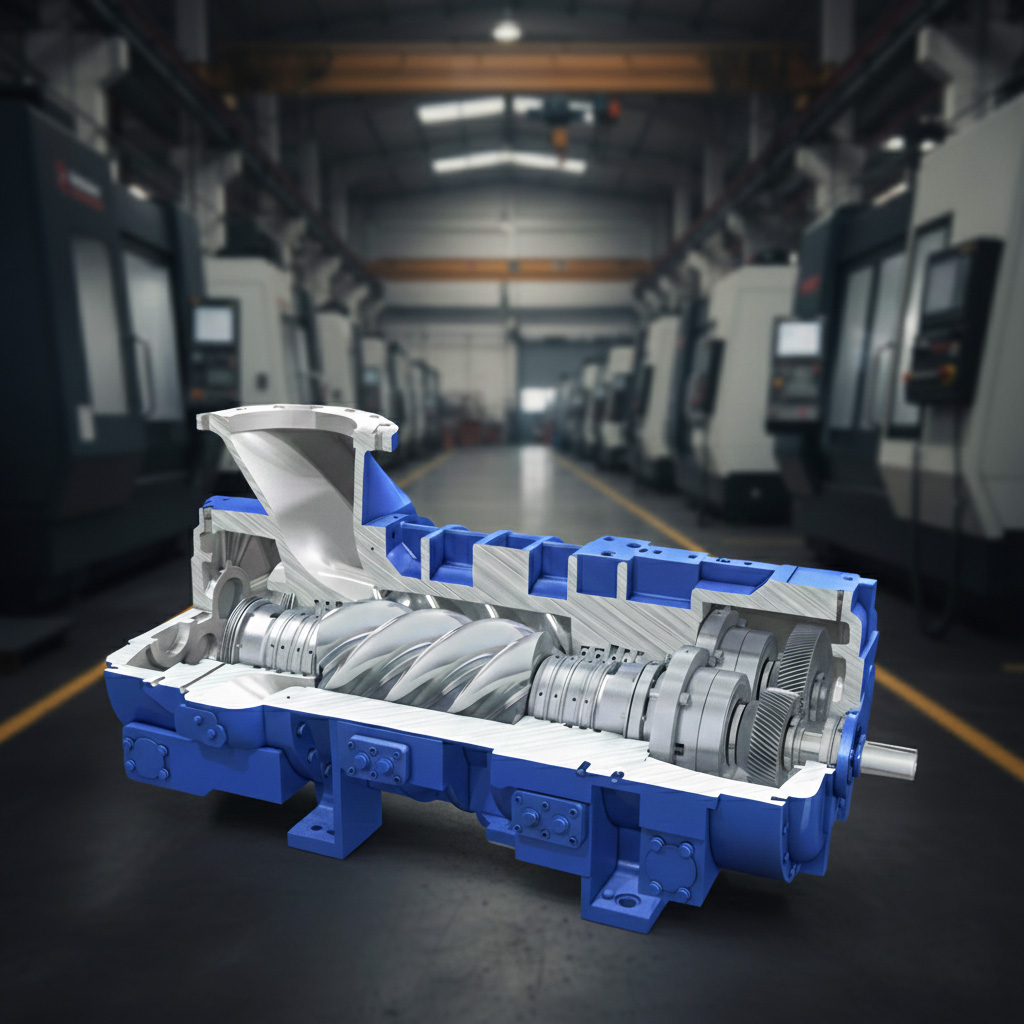
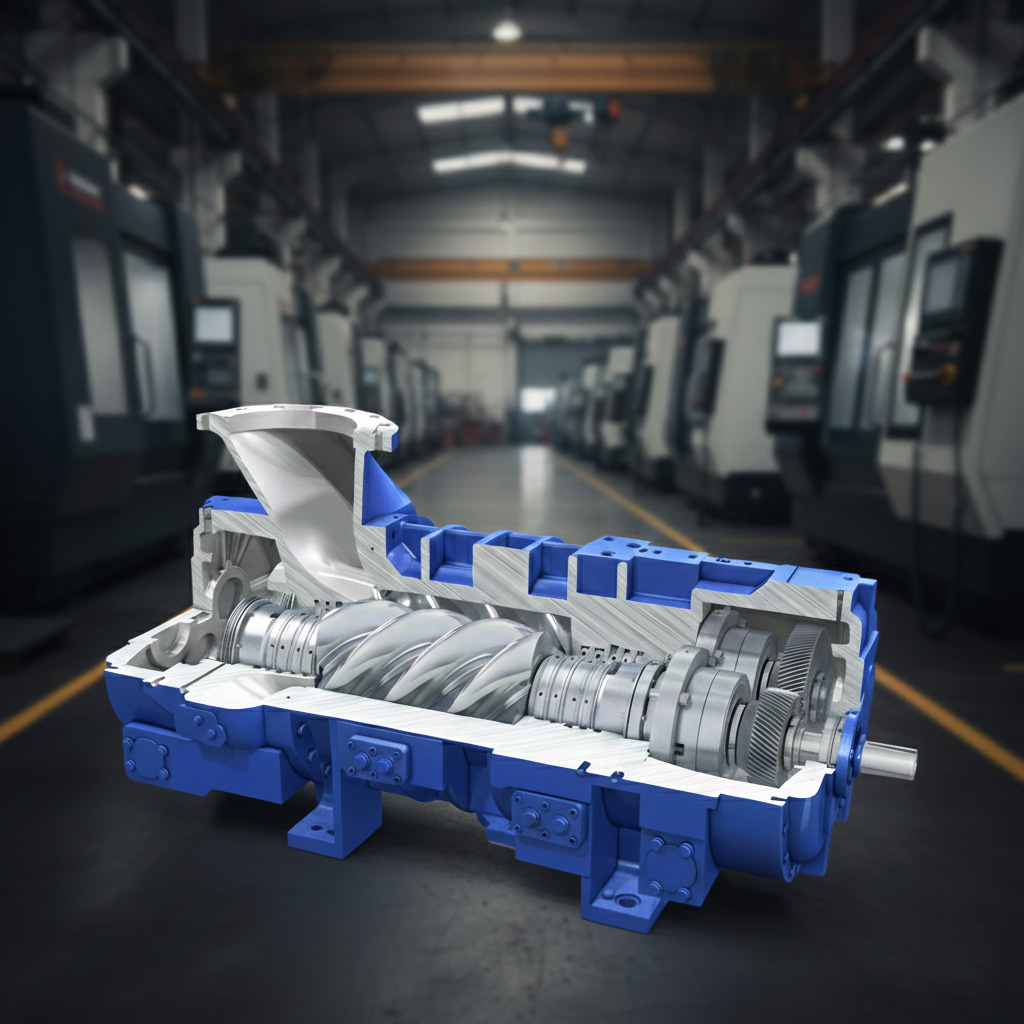
Reciprocating Compressor

Reciprocating Compressor

Reciprocating compressors, utilizing positive displacement principles, are capable of achieving very high pressure ratios within medium flow ranges.

Service section image

Despite their high efficiency and ability to generate extreme pressures, reciprocating compressors have several drawbacks. They produce significant vibration and noise levels due to the reciprocating motion of pistons. These machines also require more frequent maintenance compared to rotary compressors, as components such as piston rings, valves, and bearings are subject to wear over time. Additionally, the pulsating flow of discharged gas may necessitate the use of dampeners, adding complexity to the system.

Service section image

Another major disadvantage of reciprocating compressors is their large physical footprint relative to their capacity, making them unsuitable for compact or offshore installations. They also suffer from inherent mechanical limitations, such as the risk of rod breakage and valve failure under high-cycle operation. Furthermore, these compressors cannot operate efficiently at low flow rates without specialized bypass or recycle systems, which increases energy waste. The intermittent nature of gas intake also leads to pressure fluctuations in the suction line, potentially affecting upstream equipment.

Reciprocating Compressor